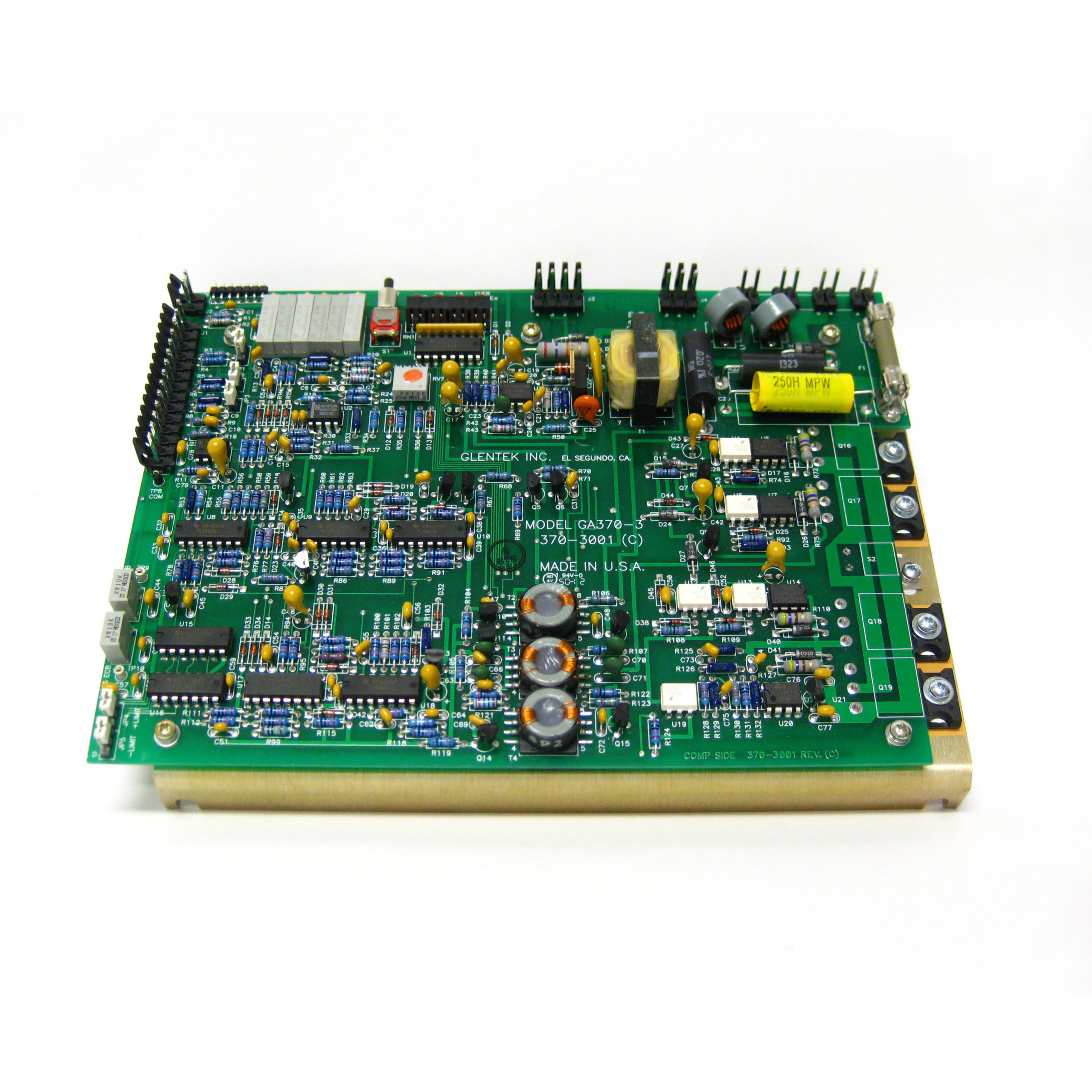
GA370-3 Glentek Servo Amplifier Drive

$3,142.86

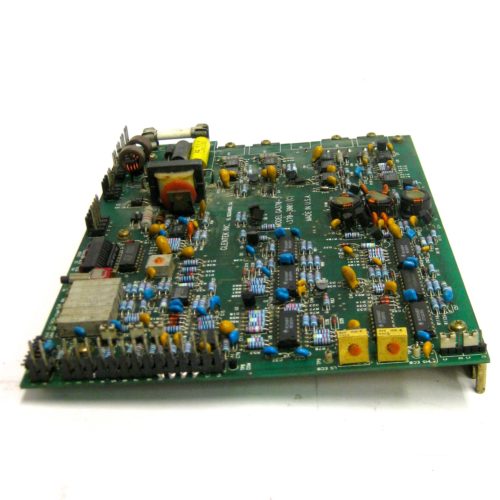
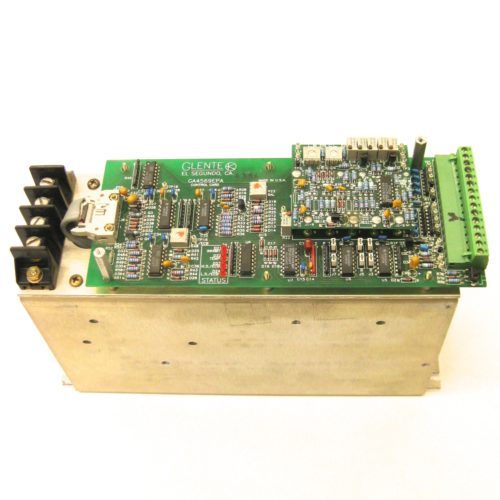
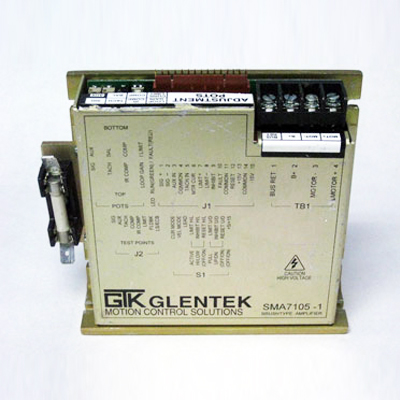
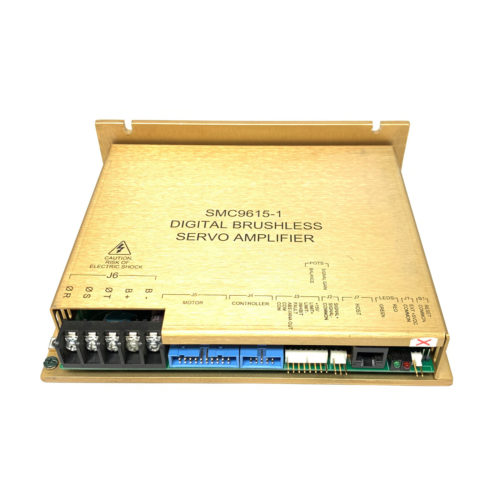
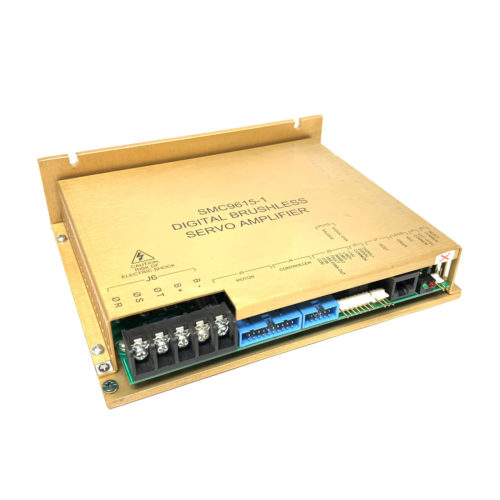
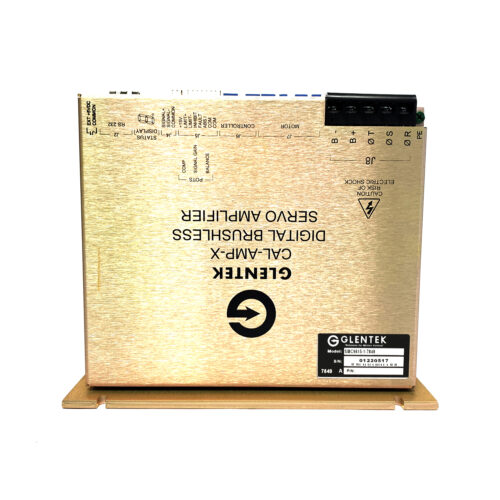
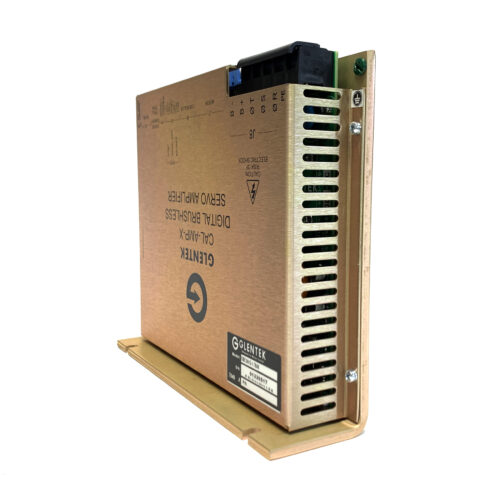
Glentek GA370-3 high-bandwidth, Torque-Width Series PWM servo amplifier card is engineered for high-precision velocity and torque control of permanent magnet DC (PMDC) servo motors.

Out of stock

  • Visa Card
  • MasterCard
  • American Express
  • PayPal
SKU: GA370-3 Category: Brand:

Description

Glentek GA370-3 is a single high power, high bandwidth modular Pulse-Width-Modulated (PWM) servo amplifier from Glentek’s Torque-Switch series, designed specifically for use with Glentek GM4050 DC permanent magnet servo motors. It is widely used in industrial CNC machinery, such as those with Anilam, Fagor, or Milltronics controls.

Note: This product is a brand-new, original Glentek amplifier drive board, not from old stock. We have these in stock and ready to ship now.

Interchangeability & Retrofit Guide

  • Direct Drop-In Replacement: The GA370-3 is a known industry-standard replacement for the legacy Servo Dynamics SDFPO(S)1525-17 amplifier drive axis card. If you are unsure of your requirements, please reach out to us for technical support.
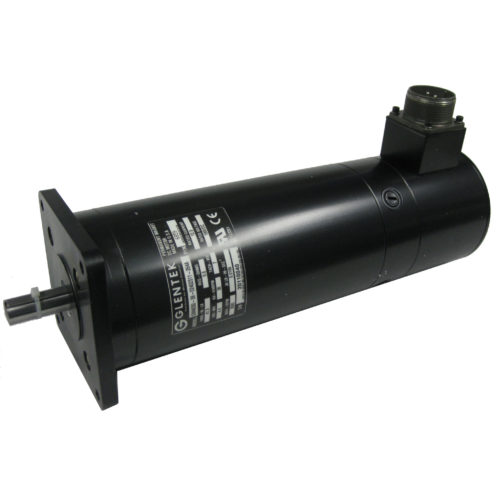
  • Motor Interoperability: Optimized natively for Glentek GM4050 permanent magnet DC brush servo motors. It can be paired with third-party brush servo motors provided the electrical specifications and tachometer voltage gradients align with the drive’s threshold limits.

Additional information

Condition

New

Part Number (MPN)

GA370-3

Manufacturer

Glentek

Frequently Asked Questions

Can the GA370-3 drive brush servo motors from manufacturers other than Glentek?

Yes, the GA370-3 is a universal pulse-width-modulated analog brush servo amplifier. While tuned out of the box for Glentek GM4050 series motors, it can drive third-party permanent magnet DC brush motors. You must verify that the motor’s voltage, peak/continuous current draw, and analog tachometer feedback scaling (+/- 90V maximum input) do not exceed the drive’s listed hardware constraints.

What steps should be taken if the ECB (Electronic Circuit Breaker) fault light triggers?

An ECB fault is a latched condition caused by an over-current event (either low-speed or high-speed overload). First, isolate power from the machine and check the motor leads for phase-to-phase or phase-to-ground short circuits. Inspect the machine’s axis for mechanical binding or physical blockages. Once the fault condition is addressed, cycle the logic power or use the hardware Reset pin connection to clear the latched state.

How do you calibrate the velocity loop tuning on this axis card?

Velocity loop tuning is managed via hardware potentiometers mounted directly on the card faceplate. Adjustments include Signal Gain, Tachometer Gain, and Compensation. Tuning requires monitoring the tachometer feedback response with an oscilloscope under standard operational loop loads. This allows you to eliminate low-speed hunting or axis overshoot while maximizing response bandwidth.
You may also like…

Technical Safety & Compliance Notes

  • Lockout/Tagout Requirements: Ensure all primary AC main voltages and external DC bus power links are entirely discharged and locked out prior to inserting or removing the GA370-3 card from its rack enclosure.
  • Over-Voltage Hazards: High DC bus voltages can be generated by regeneration from spinning DC motors during high-inertia deceleration loops. Ensure external shunt regulators or dynamic braking resistors are operating properly.
  • Compliance: Designed to meet industry-standard electrical isolation practices when configured via the manufacturer’s official backplane sub-assembly schematics.

Common Failure Modes & Diagnostics

CAUTION: HIGH VOLTAGE RISK

In high-duty-cycle CNC and industrial automation environments, the continuous thermal and electrical stresses placed on analog servo systems inevitably expose component-level vulnerabilities. Because the Glentek GA370-3 operates as a high-frequency switching PWM device, failure modes typically manifest within its closed-loop feedback path or its high-power transistor output stage. Isolating these issues requires analyzing the card’s faceplate LED indicators against current-loop behavior to differentiate between external mechanical resistance and internal hardware faults.

Electronic Circuit Breaker (ECB) Fault

Triggered when current limits are breached. High-speed or low-speed ECB faults latch instantly to inhibit the drive, protecting output transistors from mechanical overloads or direct short-circuits.

Over-Temperature Fault (TEMP LED)

Latches ON when the heatsink passes its maximum operational thermal rating. This typically signals a breakdown in cabinet cooling fans, restricted airflow across the axis card, or extended duty-cycle operations stemming from binding mechanical axes.

Motor Hunting or Wandering

Frequently caused by a noisy or degraded analog tachometer feedback signal. High high-frequency noise forces rapid, random switching of the output transistors, causing thermal buildup and low-speed shaft twitching.

Experiencing Persistent Drive Faults? Get Expert CNC Support.

If your Glentek drive continues to trip the ECB fault light or exhibits thermal instability after following standard diagnostic steps, avoid unnecessary factory downtime. Our senior technical support team specializes in legacy CNC electronics, offering component-level diagnostics, axis-matching verification, and drop-in replacement support.